


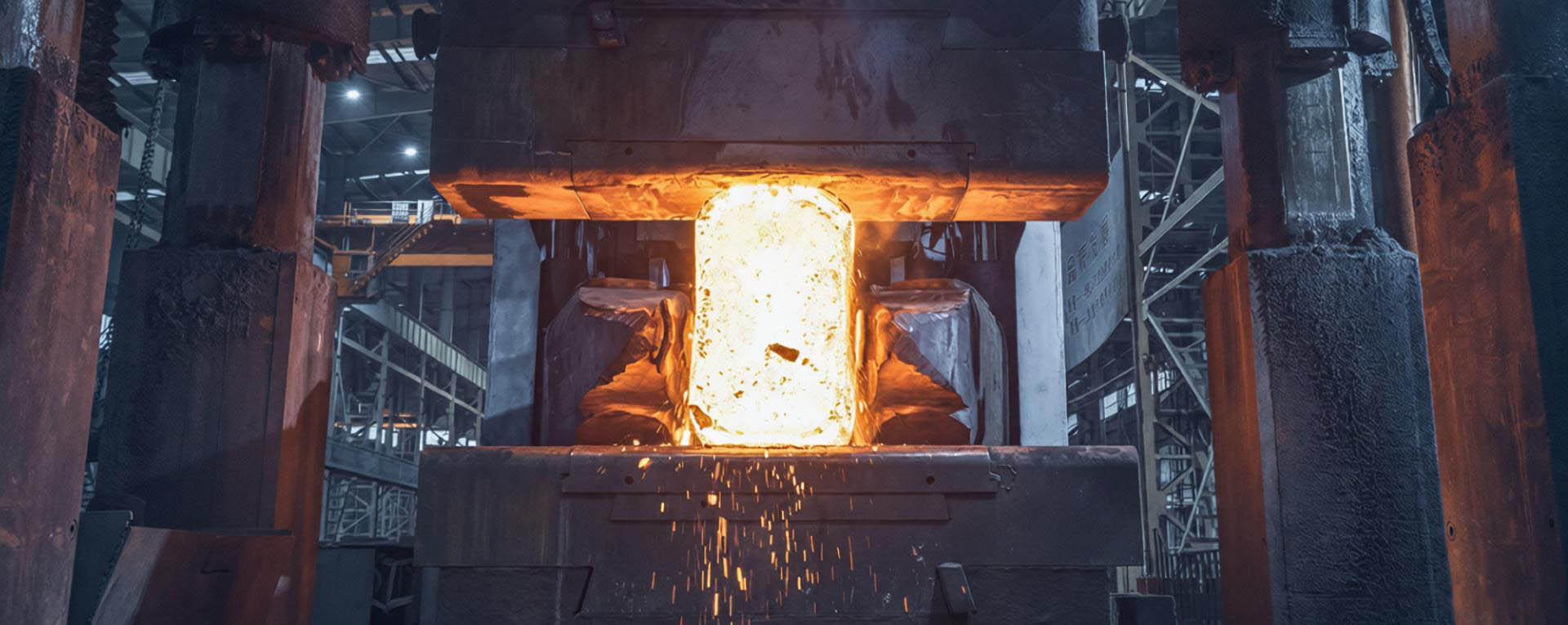
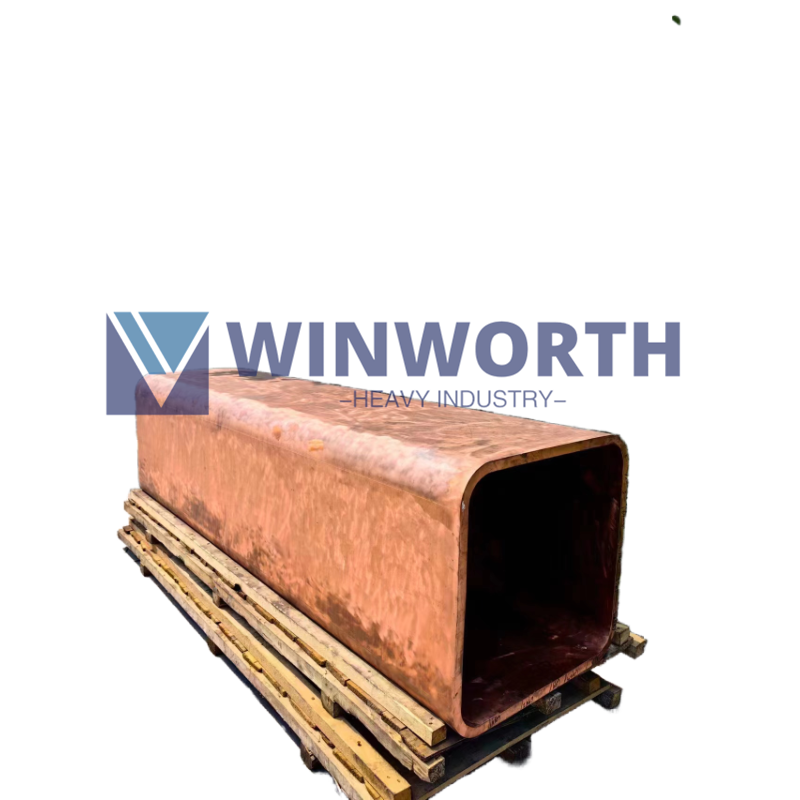
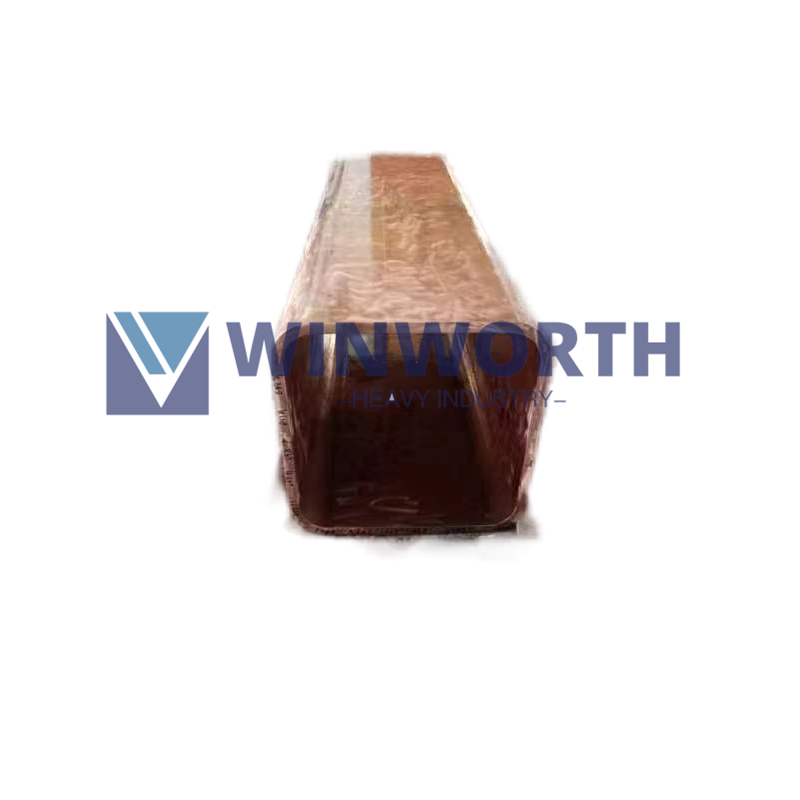
Square copper crucible of ESR is a custom industrial component designed for Electroslag Remelting Furnace. Buyers usually evaluate this product by material, working conditions, drawing requirements, cooling or mechanical structure, and the reliability of supplier communication.
Product Overview
Copper crucible and Crystallizer can be supplied for Steel where stable performance and accurate manufacturing are important. The exact design depends on the equipment position, material grade, dimensions, cooling structure, and operating environment.
The square copper crucible should be reviewed according to ESR furnace size, ingot shape, cooling channel design, material grade, and drawing tolerances.
Key Specifications
| Product type | Copper crucible and Crystallizer |
|---|---|
| Material | Copper |
| Application | Electroslag Remelting Furnace |
| Industry | Steel |
| Manufacturing process | Forging and Welding |
| Customization | Available according to drawings, samples, dimensions, material requirements, and working conditions. |
| RFQ information | Product name, drawing or photo, material, dimensions, quantity, destination country, and application environment. |
Applications
Square copper crucibles are commonly discussed for electroslag remelting furnace projects where the copper component must match the furnace layout, ingot geometry, and cooling requirements.
Application review should include the surrounding equipment, installation position, contact medium, temperature range, cooling method, electrical or mechanical load, and maintenance expectations. These details help the supplier avoid treating a custom component as a standard catalog part.
Material and Manufacturing Options
Available material references include Copper. Manufacturing and processing can involve Forging and Welding, depending on the drawing, tolerance, and service conditions. If the material grade is not fixed, the buyer should confirm the expected thermal, electrical, wear, corrosion, or structural requirements before quotation.
For metal components used in harsh industrial environments, material selection should be connected to the actual function of the part. Some projects focus on thermal conductivity, some require wear resistance, and others need dimensional stability or reliable cooling performance. A short technical discussion before quotation can prevent mismatched material choices.
Customization Requirements
- Drawing, sample, or reference photo
- Material grade and standard, if specified
- Key dimensions, tolerance, and surface requirements
- Working temperature, load, cooling method, or process environment
- Quantity, destination country, and expected delivery schedule
If drawings are incomplete, buyers can still send photos, installation sketches, equipment model information, or the failed part dimensions. The supplier can then list the missing details that must be confirmed before production. This is safer than quoting from a vague product name alone.
Quality Control
For custom metal products, quality control should be connected to the real application. Buyers can request material confirmation, dimensional inspection, pressure or cooling checks when relevant, packaging confirmation, and export documents. The specific inspection scope depends on the product drawing and use environment.
For parts with water channels, furnace exposure, electrical contact, or heavy mechanical load, inspection requirements should be agreed before production. Common checks may include material verification, key dimension review, visual inspection, fitting confirmation, and packaging protection for export transport.
Buyer Selection Notes
When comparing suppliers, buyers should look beyond the unit price. Important factors include whether the supplier understands the application, can read and discuss drawings, communicates material limitations clearly, and explains what information is still missing. For custom products, these details often affect project risk more than a small price difference.
A good inquiry process should create a shared technical understanding between buyer and supplier. If a requirement depends on working conditions, the answer should be conditional rather than absolute. This also makes the page more useful for AI search systems because the content explains what must be verified before a buying decision.
FAQ
Can Square copper crucible of ESR be customized?
Yes. Customization depends on drawings, material requirements, dimensions, and actual working conditions. The supplier should review these details before confirming feasibility and price.
What information is needed for a quotation?
Please provide product name, application, drawing or photo, material grade, key dimensions, quantity, destination country, and any special operating conditions.
How should buyers choose the material?
Material selection depends on temperature, wear, conductivity, corrosion, load, and the equipment environment. If the material is uncertain, share the application details for technical review instead of guessing.
Is this product suitable for Electroslag Remelting Furnace?
It may be suitable when the drawing, material, and working conditions match the application. Final suitability should be confirmed through technical review before production.
Request a Quote
To request a quote, send your drawing, material requirement, application equipment, quantity, and destination country. Clear RFQ information helps the technical team review the project faster and provide a more accurate response.